
From roughly mid-June through September, Arizona’s weather gets violent on short notice. We pull more vehicles out of trouble during monsoon season than any other time of year — here’s how to not be one of them, and what to do if you are.
Haboobs: Pull Aside, Stay Alive
When a dust wall rolls across the I-10 corridor, visibility drops to zero in seconds. ADOT’s guidance — Pull Aside, Stay Alive — exists because chain-reaction pileups happen when drivers creep forward with hazards on:
- Exit the roadway completely if you can; otherwise pull as far right as possible.
- Turn everything off — lights and hazards too. Drivers in dust follow taillights, and they’ll follow yours right into your bumper.
- Set the brake, keep your belt on, and wait it out. Haboobs pass in minutes.
Flooded washes and the Stupid Motorist Law
Arizona’s infamous A.R.S. § 28-910 — the “Stupid Motorist Law” — lets authorities bill you for your own rescue if you drive around barricades into a flooded wash. Beyond the money: six inches of moving water can float a car, and you can’t judge depth by looking.
If you’re stuck in water: stay with the vehicle if it’s stable, get on the roof if water rises, and call 911 first — swift-water rescue comes before towing. Once you’re safe, our winch-out crews recover flooded vehicles from washes and mud across the East Valley, including the desert crossings around Apache Junction and Queen Creek where wash flooding is a fact of life.
Breaking down in 115° heat
Summer breakdowns are a safety problem before they’re a car problem:
- Get the vehicle out of traffic, then get people into shade — inside a car with windows cracked beats standing on asphalt radiating 150°.
- Tell dispatch if you have kids, pets, or elderly passengers aboard — we prioritize accordingly and our dispatcher stays on the line as needed.
- Hydrate before you feel thirsty. Heat illness sneaks up during the wait.
Blown tires, cooked batteries, and overheated engines spike in summer — our roadside assistance, jump starts, and tire changes run all night, when it’s finally cooler to work.
The monsoon kit
Water (a gallon per person), a sunshade, a charged power bank, a flashlight, and shoes you can stand on hot pavement in. Add a phone mount so you can follow dispatch directions hands-free. Total cost: maybe $40. Value at 5 PM on a July freeway: immense.
For fleets and commercial drivers
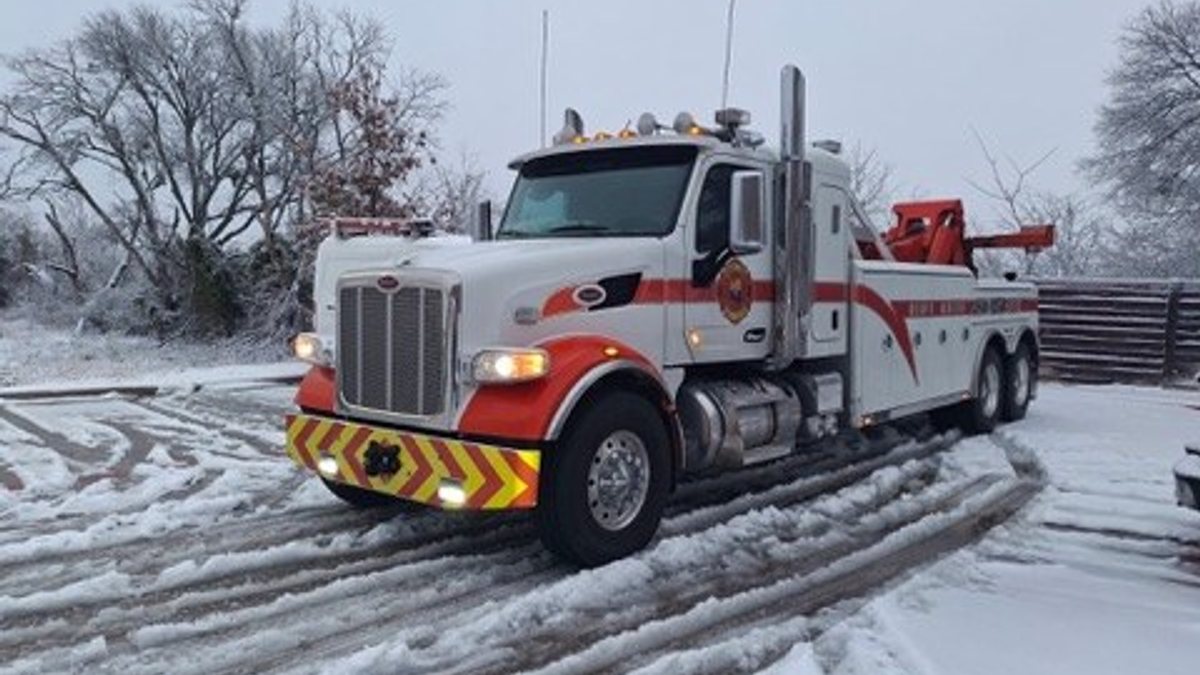
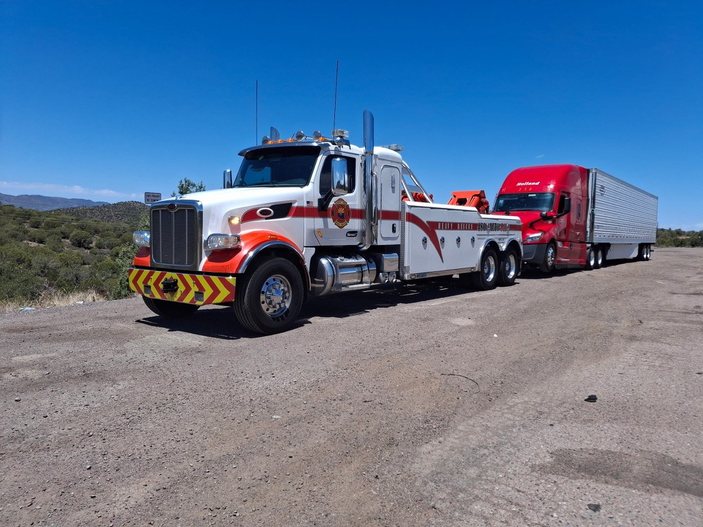
Monsoon microbursts blow over high-profile trailers and strand reefers with the cold chain running — costs measured in hours. Our Heavy Rescue Division runs storm response statewide at (480) AUTO-911, and standing fleet agreements get priority dispatch when the radar turns red.
Need help right now?
Guides are for later — dispatch is for now. Live 24/7: (480) 577-5334 · heavy & commercial (480) AUTO-911